Jawai & Bera
Leopards among granite hills. Agro-pastoral coexistence — a population of big cats that live alongside Rabari shepherds and have quietly rewritten what neighbourhood with humans can look like.
Jawai sits in the southern Aravallis of Pali district — a landscape of weathered granite boulders, scrub, man-made reservoirs, and Rabari shepherd villages that has, improbably, become one of India's most productive leopard habitats.
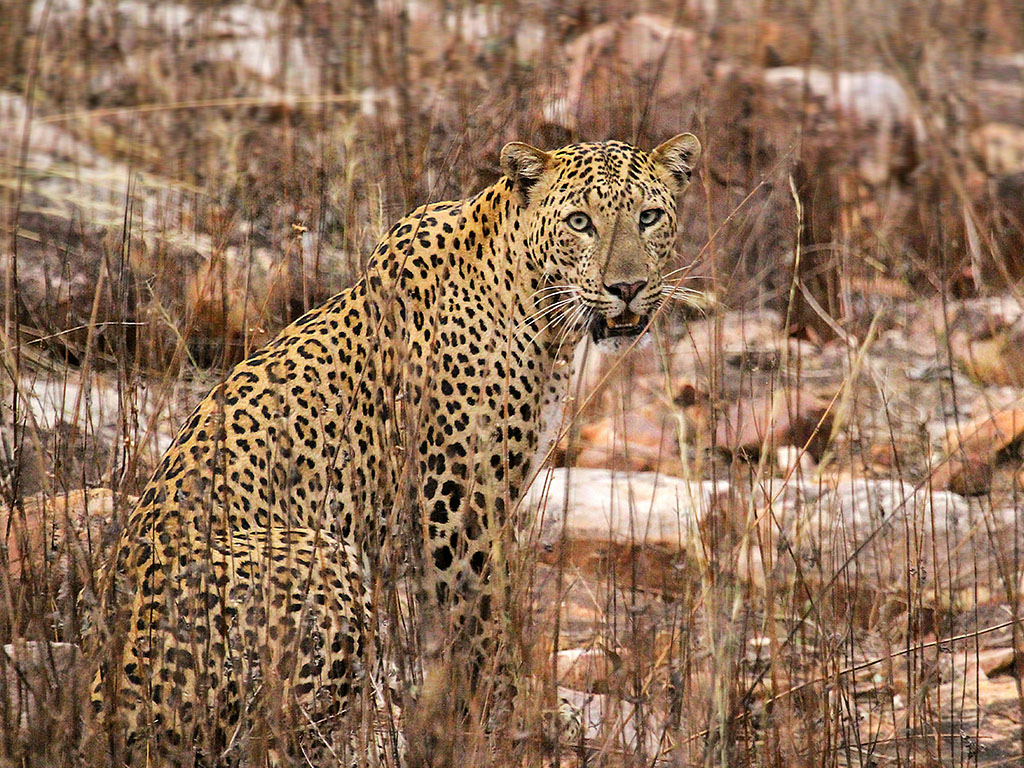
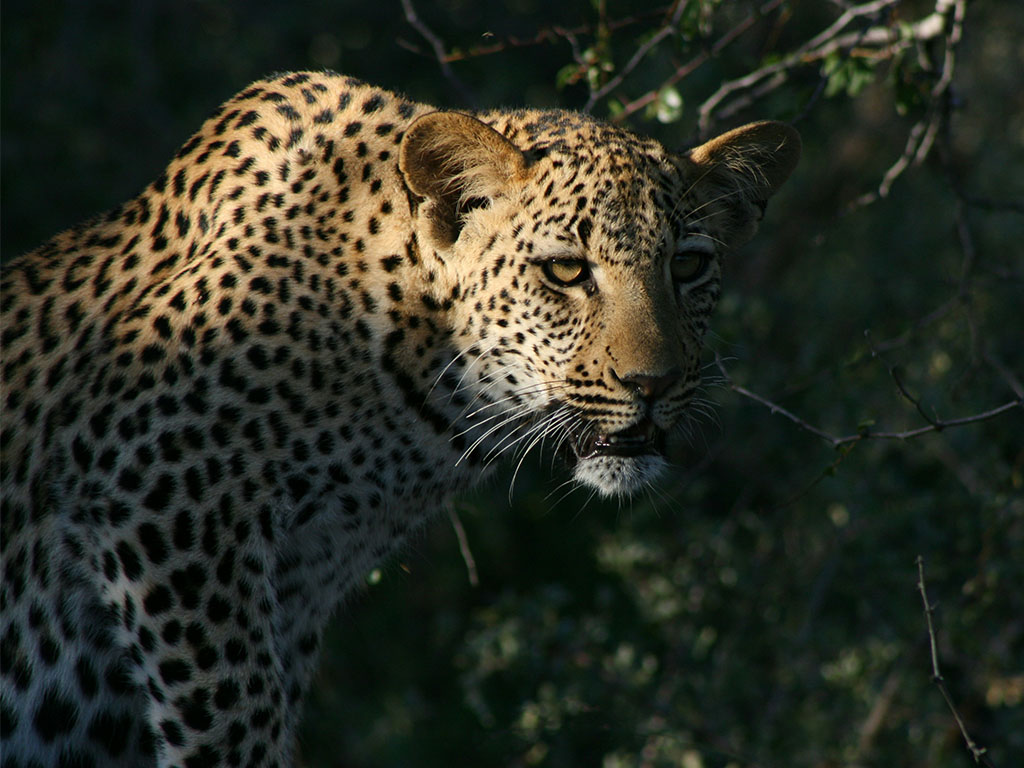
The leopards here do not hide. They live on the rock, use cave systems as dens, and walk past shepherds and cattle without incident. The Rabari, a pastoral community, have lived with them for generations and do not harm them. It is, by any measure, an unusual arrangement. And it works.
Bera, an hour north, is Jawai's quieter sibling — similar terrain, longer sighting distances, fewer vehicles. We often plan Jawai and Bera together, because the two offer the same species through different character.
Jawai is not a national park in the usual sense. It is a working landscape where wildlife and human use overlap. We plan drives to cover its main textures — the granite ridges, the reservoir edge, the pastoral valleys, and the rock shrines.
Where leopards rest, den, and rise at dusk. Most sightings are here — on rock, at eye level, backlit by a setting sun.
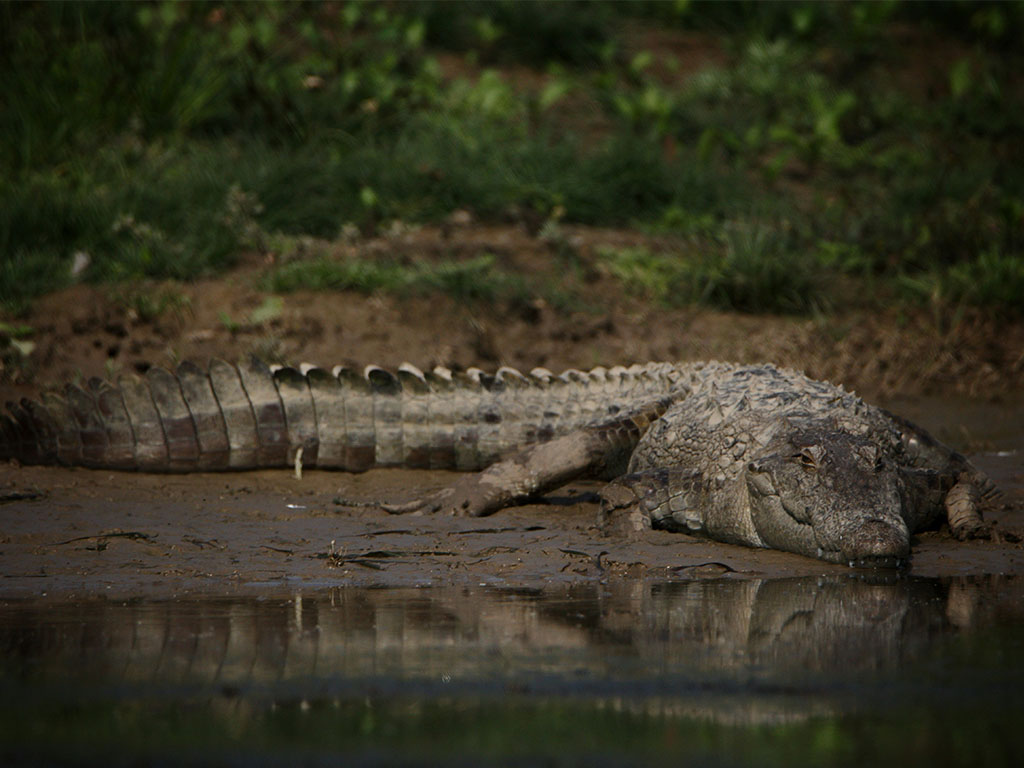
Jawai Dam and its surrounds. Crocodiles, migratory birds, flamingoes in season. A different pace of wildlife drive.
Rabari settlements, cattle at dusk, the rhythm of a pastoral community. The human side of the coexistence.
Quieter, more remote, fewer vehicles. Longer sightings when they come. Often where we close a Jawai itinerary.
Leopards are dawn-and-dusk animals, and Jawai's rhythm follows them. Your drives are shorter than Ranthambore's, but pushed to the edges of the day when the rock gives the light back.
Morning tea. Out before sunrise. Two to three hours on the ridges — the leopards are often still settling after a night of movement. Back by mid-morning for a long, slow middle of the day. The afternoon drive goes out late, and stays out until the last light is gone. Dinner, usually outdoors, often with the bells of goats coming home in the distance.
Read the full experienceJawai set the luxury-camp template for all of India's leopard country. We work with a small, considered set of properties — from tent to stone villa — and match them to the journey.

Ten suites, each with a view of the hills. Strong naturalist team. The Jawai benchmark since it was built.

A smaller, quieter alternative. Fewer keys, more private. Suited to travellers who want Bera as the focus.

Architecturally ambitious, newer to the area. Our choice when travellers want design-forward stays.
Very high. Across a three-day stay with drives at dawn and dusk, sightings are near-certain. Jawai has one of the highest leopard densities documented anywhere in the world, and the animals are unusually visible on the open granite.
The Rabari, a pastoral community, regard the leopards as manifestations of a deity and do not harm them. In return — and this is the part that is still being studied — the leopards rarely take livestock. It is a rare, real coexistence, and it predates any formal conservation effort.
Jawai is busier and better-known, with higher-end properties. Bera is quieter, more remote, and suits travellers who want fewer vehicles on a sighting. Many of our itineraries include both.
Both are leopard destinations, and they are entirely different. Jawai is remote granite hills and Rabari shepherd coexistence — the leopards live wild, in low densities, across a landscape without fences. Jhalana is a small urban-edge reserve with India's highest leopard density and diurnal animals that barely acknowledge vehicles. Jawai is October to March. Jhalana is year-round. Many of our travellers do both.
No. Jawai is a working landscape — a reservoir, farmland, shepherd grazing lands, and hills that leopards use. There is no gate, no zones, no fixed drive times. The freedom is part of the experience.
Jawai is a 3-hour drive from Udaipur airport. It is also reachable by road from Jodhpur (4 hours) and by overnight rail from Delhi or Mumbai. We arrange all transfers.
Tell us when you'd like to travel, how long, and what you're drawn to. A journey designer will respond within 24 hours.