Sariska
Quiet forests, returning tigers. Thicker vegetation than Ranthambore, fewer vehicles — a park that lost its tigers and then, slowly, grew them back.
Sariska sits in Alwar district, a three-hour drive from Delhi. Its forests are thicker, its hills steeper, its tigers fewer — but the park has a story that makes it worth the journey.
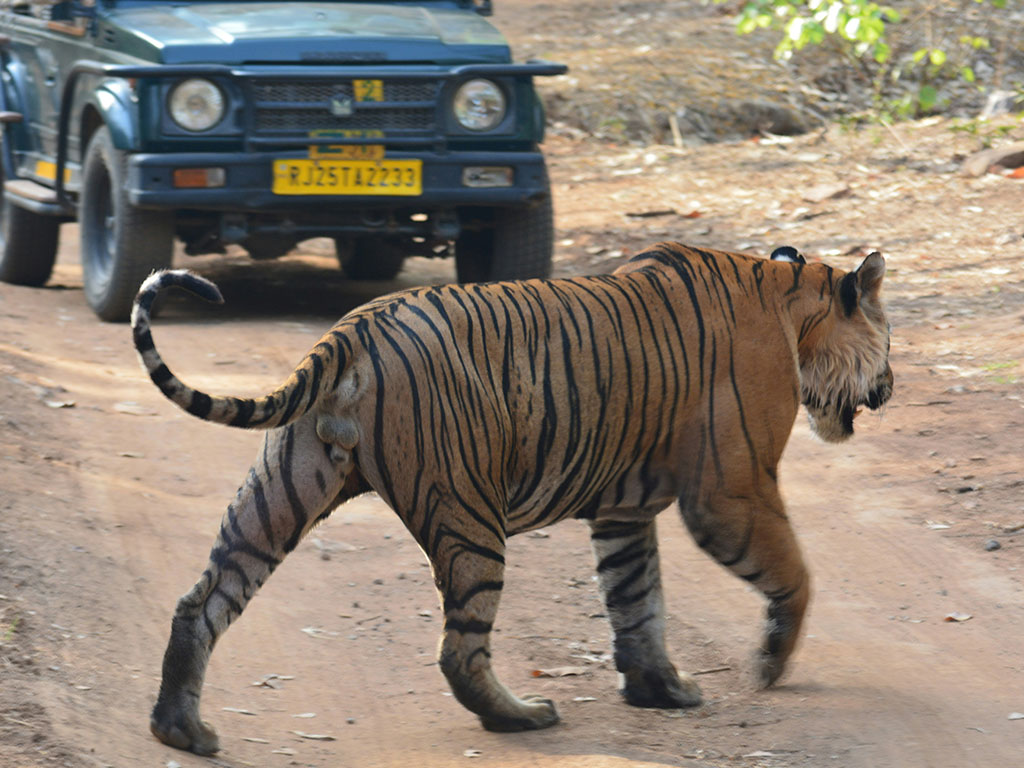
In 2004, Sariska lost its tigers entirely. Poaching had been quiet, and the count, when it came, was zero. In 2008, tigers were reintroduced from Ranthambore — the first such translocation in India. Today, a growing population lives here. Sightings are harder-earned than Ranthambore. The reward, when it comes, is different in character.
For travellers who know wildlife parks, Sariska is a more contemplative experience. Fewer vehicles. Thicker cover. Better alarm-call work. A park that asks more of you and gives back something quieter.
Sariska is divided into five ranges, each with its own character. Unlike Ranthambore's zone draw, Sariska's ranges are assigned by the reserve based on the latest tiger movement. Your naturalist will know which range to push for on a given day.
The original range, thicker forest, the most-established tigresses. Movement is harder to predict but rewards careful reading.
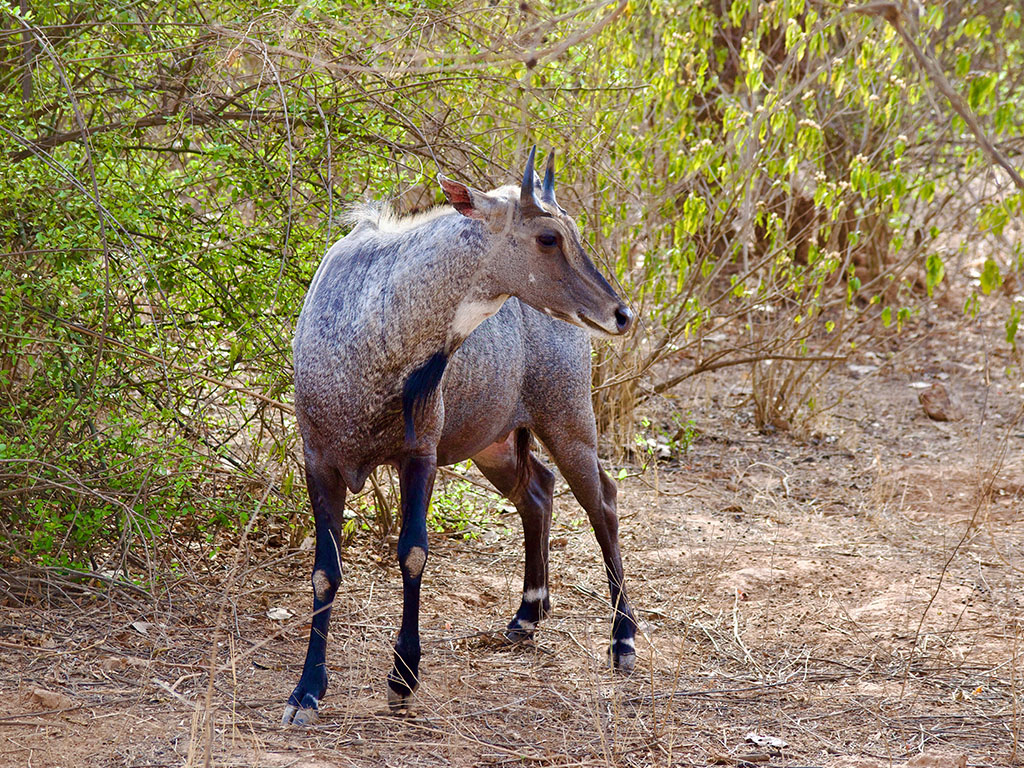
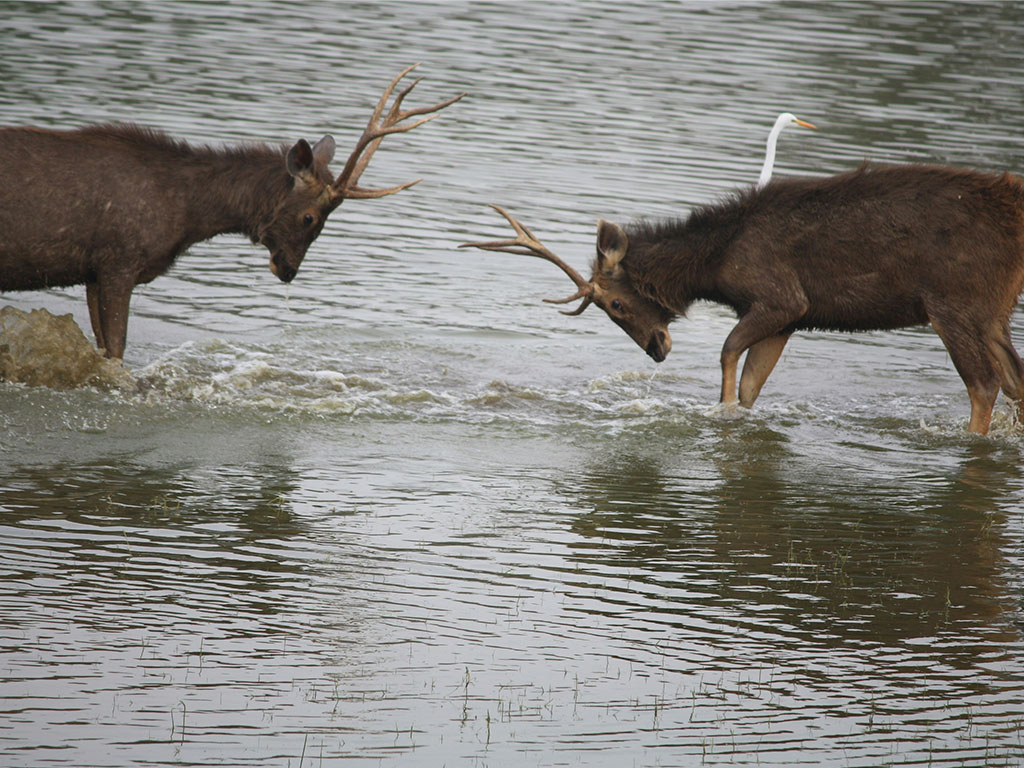
Drier, more open. Strong for sambhar, nilgai, and the occasional sighting of tigers using corridors.
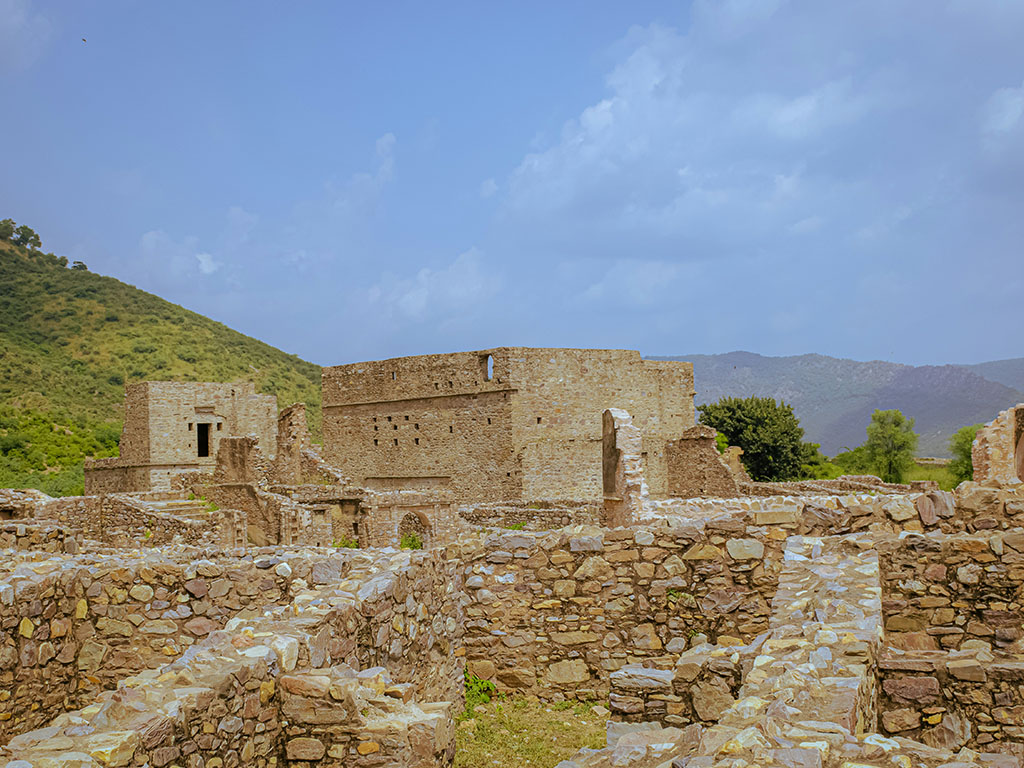
Built around a ruined 17th-century fort. Atmospheric, quieter. A park drive with cultural depth.
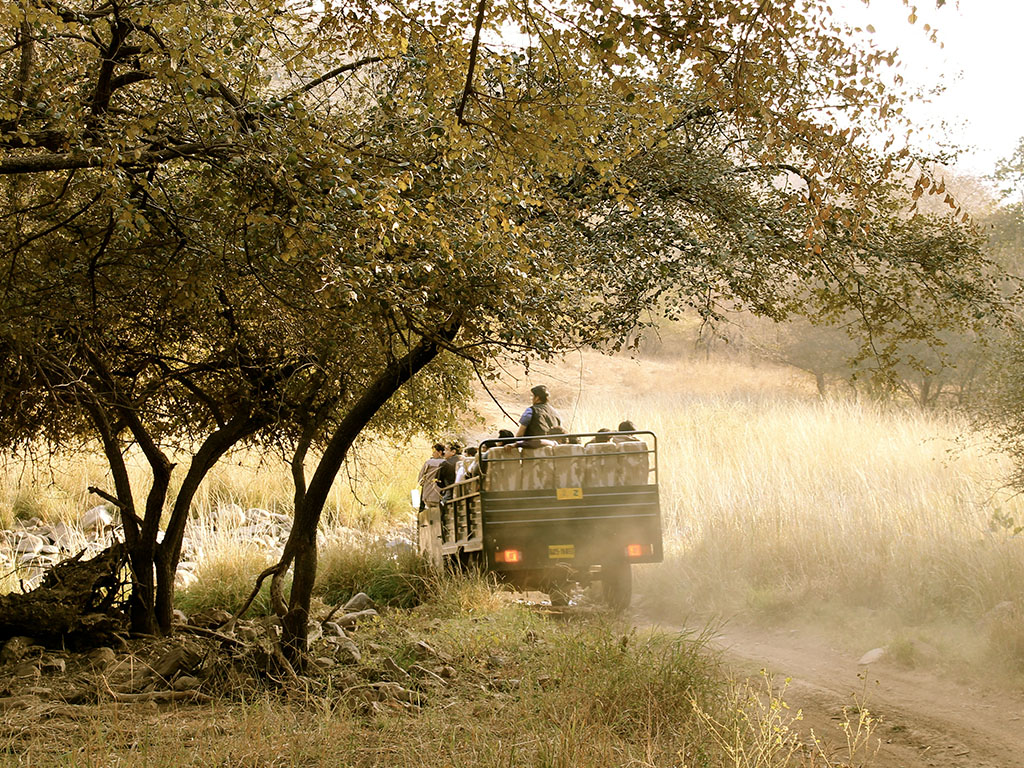
Two to three drives across two to three days. We plan for the work the forest asks — not the quick sighting.
Sariska asks you to listen. A langur calling once is coincidence; twice, attention; three times, a tiger somewhere nearby. Your naturalist spends as much time in silence as on the throttle.
First light. Into the range. Two-to-three hours of slow driving, a lot of stopping, a lot of watching. Thicker cover than Ranthambore means fewer sightings per kilometre — but when they come, they come with context: the alarm calls that preceded it, the terrain that funnelled it. The park takes time to reveal itself.
Read the full experienceSariska has fewer luxury options than Ranthambore or Jawai, but the properties that do exist have earned their reputations. We work with two consistently, and occasionally a third.

A former royal hunting palace, restored with care. Architecturally distinctive, with a strong sense of place. Our default choice.

Quieter, more modern, a shorter drive from the park gates. Well suited to shorter itineraries.

A smaller, more residential option. For travellers who want the property to feel like a house, not a hotel.
Lower than Ranthambore, honestly. The population is smaller and the cover is thicker. Across a two-to-three day stay with multiple drives, sightings happen but aren't guaranteed. Sariska rewards patience and interest in the process, not just the result.
Probably not. For a single tiger park, Ranthambore gives more reliable sightings and a more iconic setting. Sariska is best as a second park, or for travellers drawn to the conservation story and the quieter experience.
It's significant. Sariska lost its tigers to poaching around 2004 and became the first Indian reserve to have tigers reintroduced, in 2008. The programme has had setbacks — and it has worked. Today's population is the descendant of those translocated animals.
Sariska is a 3.5-hour drive from Delhi. It is the most accessible tiger reserve in India from the capital, which suits travellers on shorter trips.
Less so than Ranthambore. The cover works against clean compositions. For photographers focused on tigers, we'd recommend Ranthambore instead — or pair the two.
Tell us when you'd like to travel, how long, and what you're drawn to. A journey designer will respond within 24 hours.