Skip to content
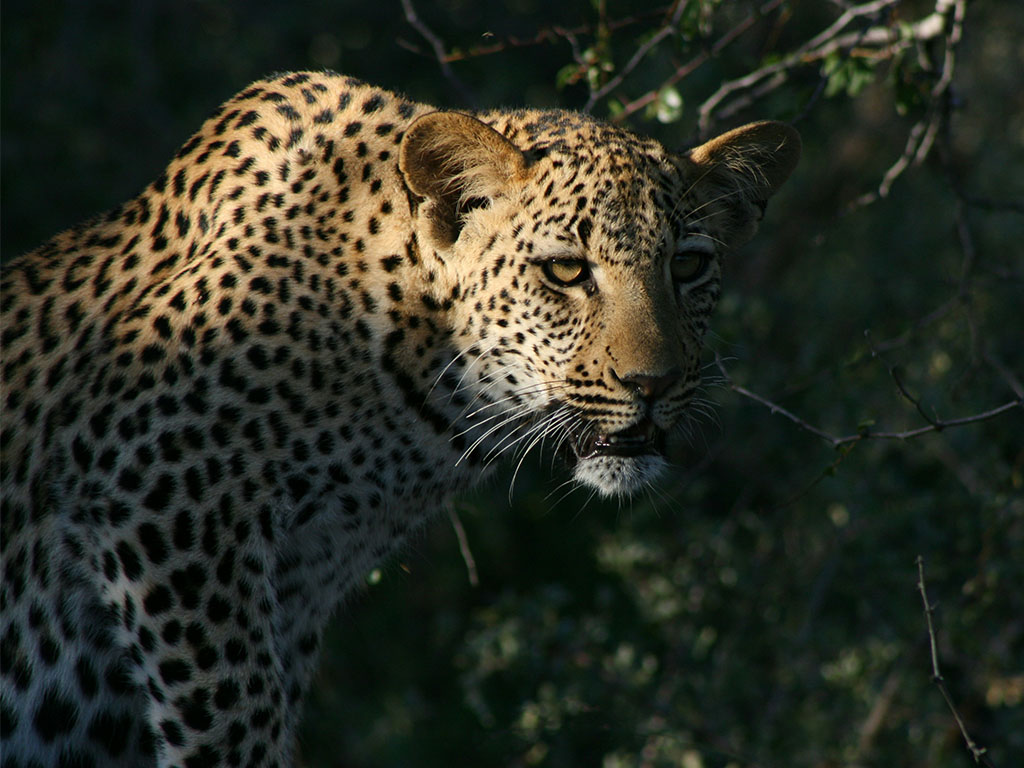
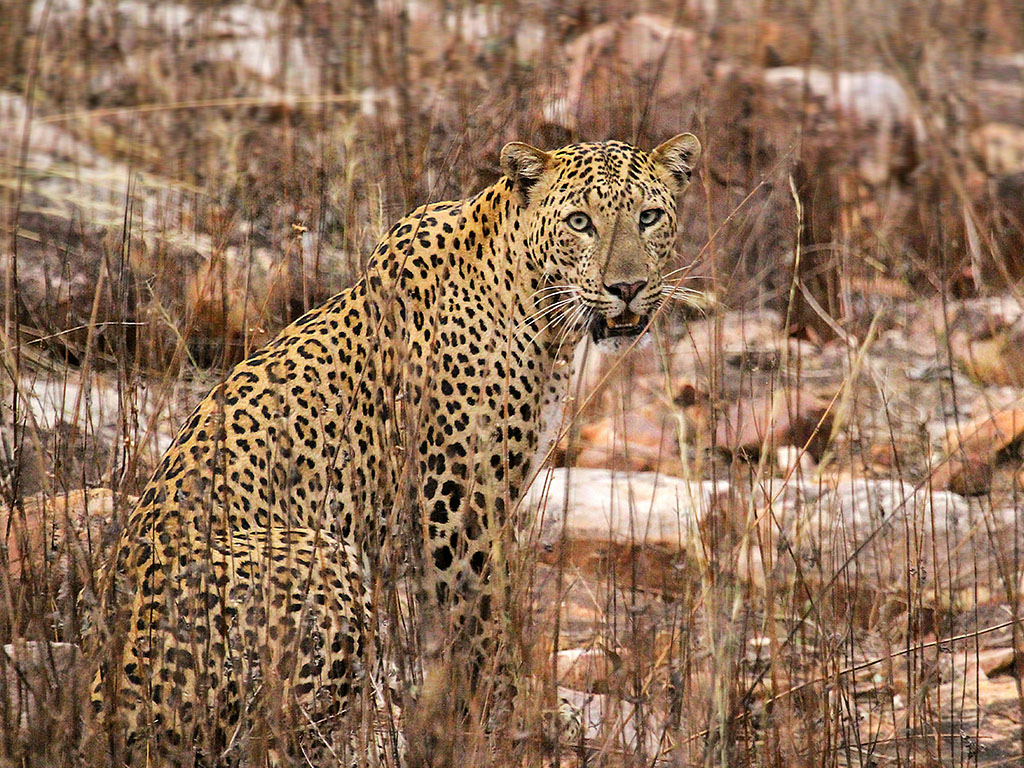
A leopard at the edge of Jhalana Reserve, on the southern edge of Jaipur
Destination III / VEastern Rajasthan

Jaipur & Jhalana

Leopards at the edge of the city. Jhalana is India's first designated leopard reserve — fifteen minutes from the airport, open through the year, and paired with a four-century-old capital that is itself worth the time it takes.

Primary Wildlife
Indian Leopard
Open Season
Year-round
Ideal Stay
2 — 3 Nights
01Overview

Jaipur sits in eastern Rajasthan, at the arrival end of most journeys — three and a half hours from Delhi by rail and the state's main airport. Just inside its southern edge is Jhalana, India's first designated leopard reserve, a dry-forest pocket the city grew around but never quite overtook.

Jhalana is small — under twenty-five square kilometres — and the size works in the visitor's favour. The leopards here are habituated, often active in daylight, and essentially ignore vehicles. Drive numbers are capped, the forest is not crowded, and for reliable leopard sightings on a short window there is nothing quite like it in India.

The city, above the reserve, is a four-century-old capital of walls, palaces, observatories, and bazaars — a considered pairing for a wildlife journey that wants more than rock and forest. Jaipur is accessible, open through the monsoon when other Rajasthan parks close, and the one destination on our map where the city matters as much as the wildlife.
02Best Suited For

What Jaipur
is good for.

  • iReliable leopard sightings on a short stay — Jhalana's density and openness make drives consistently productive.
  • iiYear-round travel, including the monsoon months when every other Rajasthan park is closed.
  • iiiTravellers arriving by air and short on time — fifteen minutes from the airport to the reserve gate.
  • ivJourneys that pair wildlife with a considered city — heritage, craft, and evenings beyond the forest.
03The Reserve, Plainly

A small forest,
read closely.

Jhalana is not a park you sweep through. It is small, rocky, and tightly drawn — a reserve that rewards naturalists who know its ridges and waterholes. We plan drives across its main textures, and use the adjoining Amagarh reserve when the pace calls for it.

Diurnal Movement
By day

Unlike most Indian leopards, Jhalana's cats are active through daylight hours. Drives are productive at times other parks fall quiet.

The City Edge
Shared

The reserve runs up against Jaipur's southern suburbs. Leopards move between forest and edge — a rhythm unlike any wilder park.

Amagarh
Adjoining

A newer leopard reserve beside Jhalana. Quieter, fewer vehicles, a second texture of forest. Used when Jhalana is booked or when a longer stay calls for it.

04When To Come

The season,
month by month.

Oct — Feb
The cool dry
The classic window. Strong sightings, comfortable temperatures, clean light. Mornings crisp, afternoons warm. Pair it with a city day on either side.
Excellent · Peak
Mar — May
The hot dry
Sightings concentrate around waterholes. Afternoons are hot, but drives are productive and the reserve is quieter. The forest runs at a different pace.
Strong · For the keen
Jun — Sep
The monsoon
The only Rajasthan reserve that stays open through monsoon. Green, cooler at dawn, occasional rain. Different light, different pace, and — for those who come — an empty forest.
Good · The quiet season
A leopard at first light in a dry forest reserve near Jaipur
05A Day in Jaipur

A short drive,
in a small forest.

Jhalana's drives run shorter than other parks — around two hours at either end of the day — because the reserve is small and the sightings tend to come quickly.

Tea before the gate opens. In by first light, your naturalist already reading the previous drive's board. The first hour usually shapes the rest — a sighting comes, or the forest tells you where to try next. Back to the property by mid-morning. The middle of the day is yours, by choice — a quiet fort, a block-printer's workshop, or simply a long lunch in the old city. Out again as the afternoon cools.

Read the full experience
06Where You'll Stay

Properties,
chosen.

Jaipur has more hotel rooms than any other destination on our map, and most of them are not right for a wildlife journey. We work with a small, considered set — chosen for the balance of city, reserve, and the staff who understand why you are travelling the way you are.

A heritage haveli courtyard in the old city of Jaipur
Heritage Hotel

A heritage haveli in the old city

Walls, courtyards, and evenings on the terrace. Our default when travellers want the city to be part of the journey rather than a side trip from the reserve.

A contemporary hotel interior near Jhalana Leopard Reserve
Contemporary Hotel

A contemporary stay near the reserve

Closer to Jhalana's gate, shorter drives at dawn. Newer design, a strong kitchen, and rooms paced for short, focused stays.

A quiet retreat in the Aravalli foothills outside Jaipur
Small Retreat

A small retreat in the foothills

Outside the city, quieter, with the Aravalli foothills as the view. Suited to travellers who want the wildlife central and the city visited, not inhabited.

Partner property names are shared at the journey planning stage. Matching property to traveller is part of the craft.
08Questions

Things
travellers ask.

Very high. Across a two to three-day stay with drives at dawn and dusk, most of our travellers see leopards more than once. Jhalana has the highest leopard density documented in India, and the animals are habituated to vehicles.

Yes. Jhalana is the only Rajasthan wildlife reserve that stays open year-round. Each month reads differently — peak is October to February, but the monsoon months are reliable, cooler at dawn, and largely empty of other vehicles.

Both are leopard destinations, and they are entirely different. Jhalana is a small urban-edge reserve with the highest leopard density in India and diurnal animals that barely acknowledge vehicles. Jawai is remote granite hills and Rabari shepherd coexistence. Many of our travellers do both.

Yes. Jaipur rewards slow visits. We build a city day around quieter quarters — an observatory at first light, a block-printing workshop, a stepwell outside the walls — not a tour-bus checklist.

Jaipur's airport has direct connections from Delhi, Mumbai, and several Gulf and Southeast Asian cities. The city is a 3.5-hour drive or rail from Delhi. Jhalana's gate is fifteen minutes from both the airport and the old city.

We often do. Jaipur is a natural opening leg — arriving travellers rest a night, see Jhalana at dawn, and continue to Ranthambore or Jawai with momentum. It is also the rare Rajasthan wildlife destination that works on its own.

Plan a
Jaipur journey.

Tell us when you'd like to travel, how long, and what you're drawn to. A journey designer will respond within 24 hours.