Skip to content
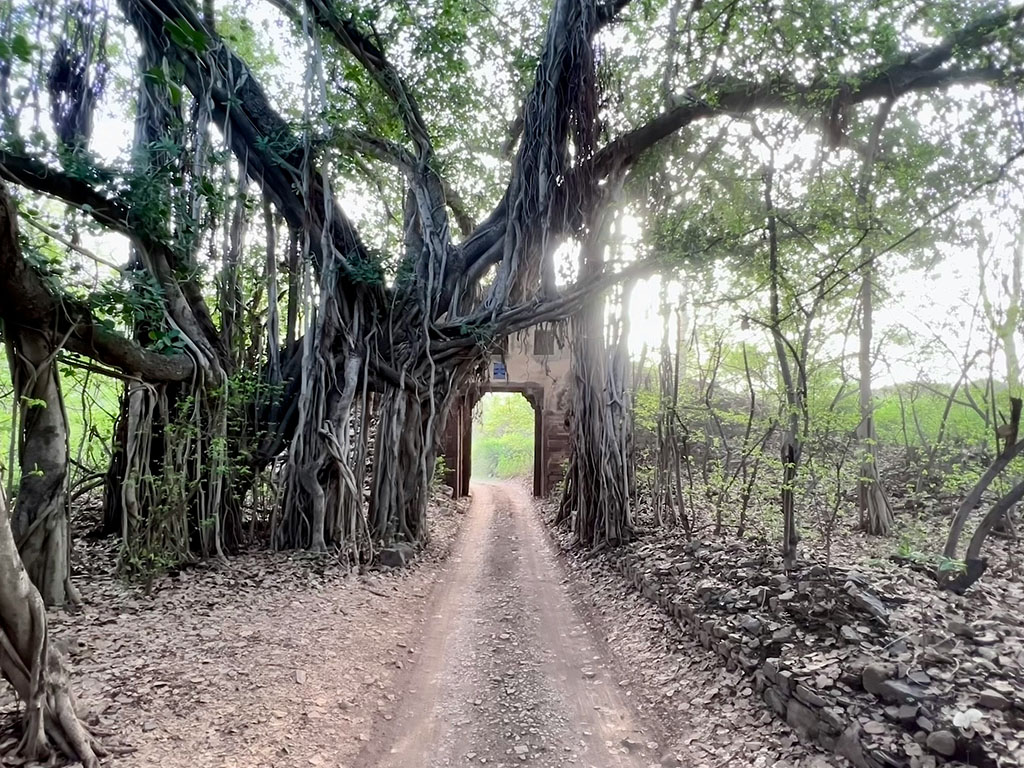
The Aravalli hills of Kumbhalgarh Wildlife Sanctuary at first light
Destination V / VSouthern Aravallis

Kumbhalgarh

Sanctuary country, off the map. Aravalli uplands, walking safaris, sloth bears in the rocks, and the longest-walled fortress in India watching over it all.

Primary Wildlife
Leopard, Sloth Bear
Best Season
Oct — Jun
Ideal Stay
2 Nights
01Overview

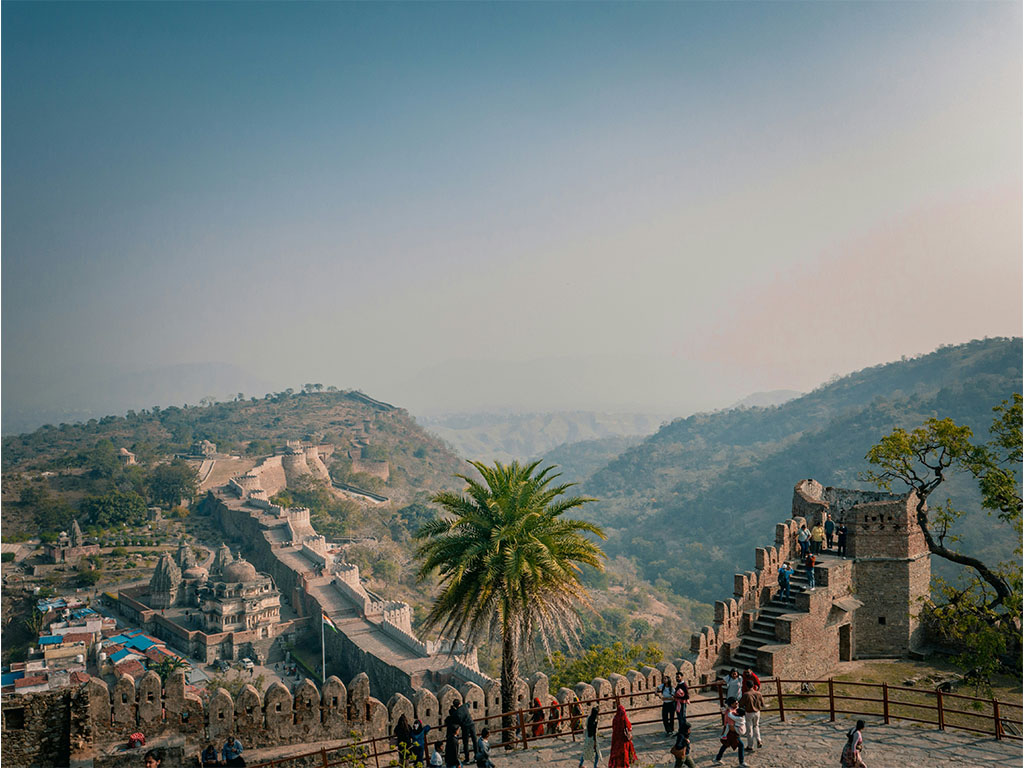
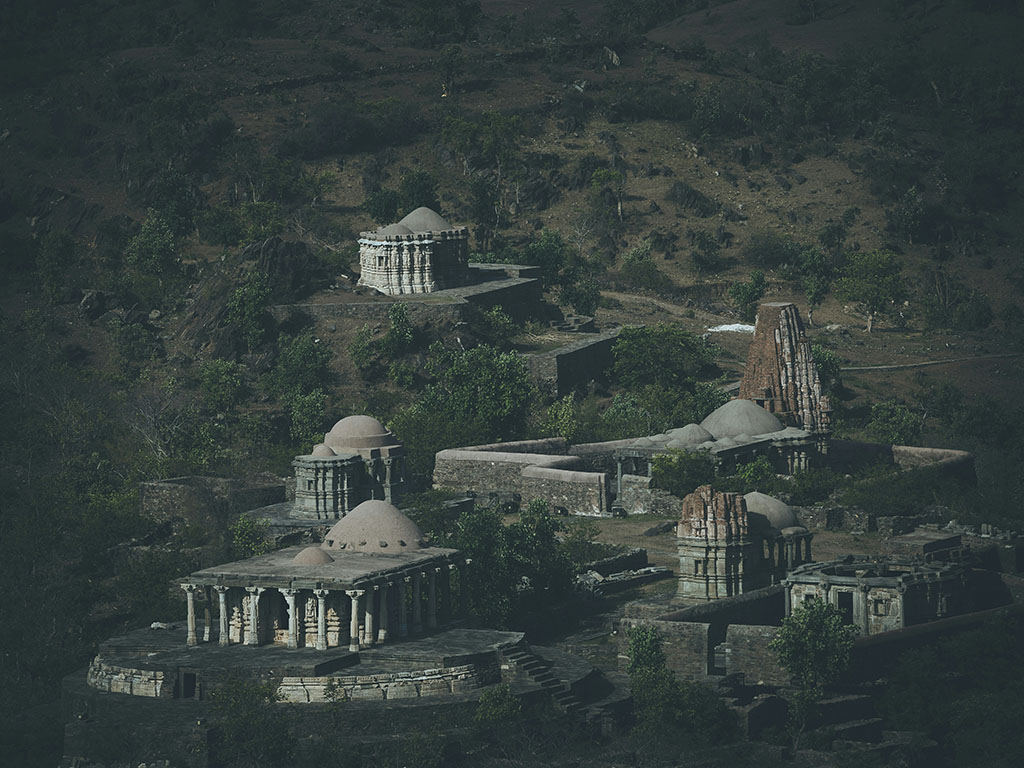
Kumbhalgarh sits in the southern Aravallis — a sanctuary built around 578 square kilometres of dry-deciduous forest, anchored by the 15th-century fort whose walls stretch 36 kilometres along the ridge.

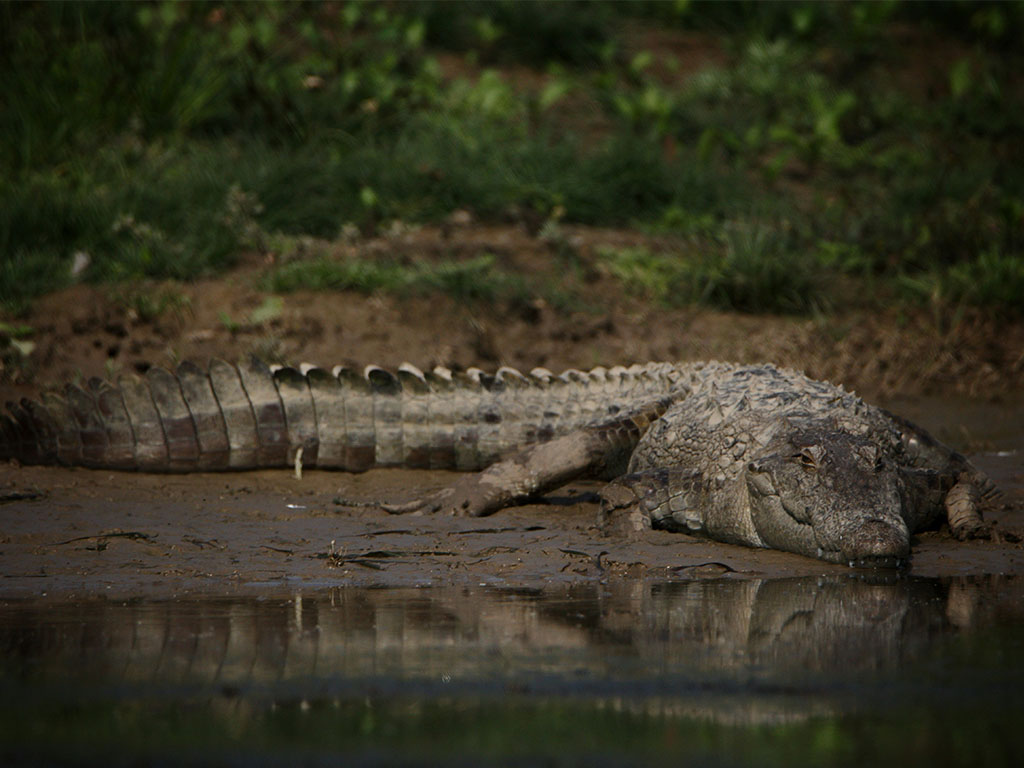
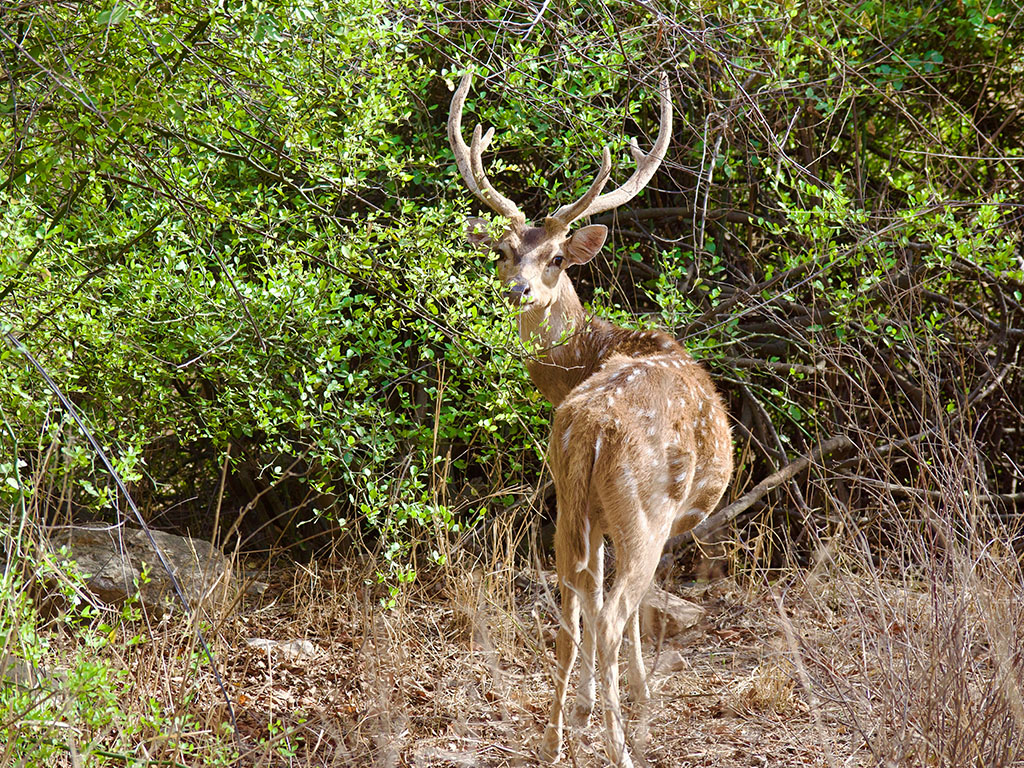
There are no tigers here. There are leopards, sloth bears, jackals, hyenas, sambar, four-horned antelope, and a list of birds that runs into the hundreds. The wildlife is spread thin and the cover is thick — sightings take work. What Kumbhalgarh offers in return is something the parks cannot: walking. Naturalist-led foot drives, sometimes for a full morning, often for half an hour to a particular ridge or waterhole.

Most travellers come here as the third leg of a longer journey — somewhere quieter to close on, after the intensity of Ranthambore or Jawai. It is a destination that asks less of you and gives back something different.
02Best Suited For

What Kumbhalgarh
is good for.

  • iWalking — naturalist-led foot trails through Aravalli forest, not available in the major reserves.
  • iiSloth bear sightings, particularly around the rock outcrops at dusk.
  • iiiPairing with Jawai — a 90-minute drive separates the two, making them natural companions.
  • ivTravellers who want history alongside wildlife — the great fort is a destination in itself.
03The Sanctuary, Plainly

Four ways
to be there.

Kumbhalgarh is not a park you "do" — it is a landscape you spend time in. We build itineraries around four kinds of activity, balanced to the days you have and the wildlife asking to be looked for.

Vehicle Drives
II

For longer reach into the sanctuary. Useful for sloth bear movements and birding at the seasonal pools.

The Fort
III

A morning walk along the second-longest continuous wall in the world. UNESCO heritage, with views across the Aravallis.

Village Visits
IV

Bhil communities, traditional craft, and a meal in someone's home. The cultural fabric of the sanctuary.

04When To Come

The season,
month by month.

Oct — Nov
Post-monsoon
The hills are at their greenest. Walking conditions excellent. Wildlife dispersed but bird activity at its peak.
Excellent · Walking
Dec — Feb
The cool dry
Cool mornings, comfortable days. Sloth bear activity increases as fruiting trees come into season. Walking is easy.
Excellent · Peak
Mar — May
The dry hot
Hotter, drier. Wildlife concentrates near water. Walking shifts to early morning only. Productive for sightings, demanding for travellers.
Strong · Specialist
Jun
Pre-monsoon
First clouds, dramatic light, peak heat. A short window for travellers who like the weather charged.
For the keen
Jul — Sep
Monsoon
The sanctuary is technically open, but trails become difficult and walking is not advisable. We rarely recommend this period.
— Off-season —
Sunrise over the Aravalli forest at Kumbhalgarh
05A Day in Kumbhalgarh

On foot,
at first.

Kumbhalgarh runs to a different rhythm. The mornings are walks — boots, water, a naturalist who has been here since the moon set. The afternoons can be the fort, or the village, or the pool.

Out at first light, on foot, into the sanctuary. Two to four hours, depending on the route. Back for a long breakfast on the property terrace. The middle of the day is yours — the fort if you've not yet seen it, a village walk, a swim. A vehicle drive in the late afternoon, ending with sloth bears coming out around the rocks at dusk. Dinner outdoors, often by fire.

Read the full experience
06Where You'll Stay

Properties,
chosen.

Kumbhalgarh has fewer wildlife-focused properties than the other three destinations, but the ones we work with are unusual — heritage homes, design-forward retreats, and one property carved into the hillside.

A heritage hilltop retreat near Kumbhalgarh fort
Hilltop Heritage

A retreat above the sanctuary

A heritage building set on a ridge with views toward the fort. Strong walking team, intimate scale. Our default.

A boutique design lodge near Kumbhalgarh
Design Lodge

A modernist lodge in the hills

A more contemporary option, design-led, with strong food. Suited to travellers who prefer modern interiors.

A heritage haveli near Kumbhalgarh
Heritage Haveli

A converted family haveli

A residential, family-run option. Smallest of the three, most personal. Suits solo travellers and couples.

Partner property names are shared at the journey planning stage.
08Questions

Things
travellers ask.

Because not every wildlife journey needs a tiger. Kumbhalgarh offers something the tiger reserves cannot — walking, slowness, the chance to be in a forest rather than driven through it. For travellers who have done the parks, or who want a contemplative close to a busier journey, it is the right kind of quiet.

Reliably: sambar, nilgai, langur, peafowl, and a long bird list. Often: jackal, jungle cat, four-horned antelope. With patience: leopard, sloth bear. The mix shifts by season and route.

Reasonable fitness is enough. Walks are 4-8 km, on undulating terrain, at a slow pace with stops. Anyone comfortable with a half-day hike on uneven ground will be fine. We can adjust routes to suit.

Naturally. Jawai and Kumbhalgarh are 90 minutes apart by road. Many of our travellers do Jawai for leopards, then move to Kumbhalgarh for walking — a contrast in pace, similar in landscape character.

Kumbhalgarh is a 2.5-hour drive from Udaipur airport. Combined with Jawai (90 min away), it forms a natural southern Rajasthan loop.

Plan a
Kumbhalgarh journey.

Tell us when you'd like to travel, how long, and what you're drawn to. A journey designer will respond within 24 hours.