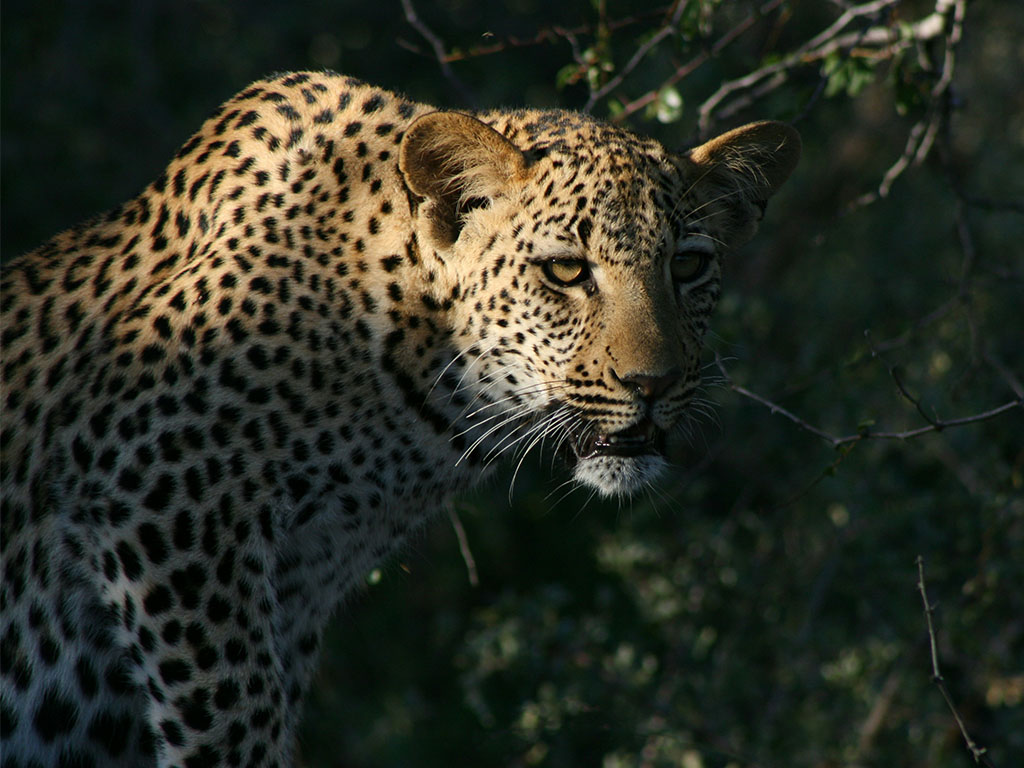
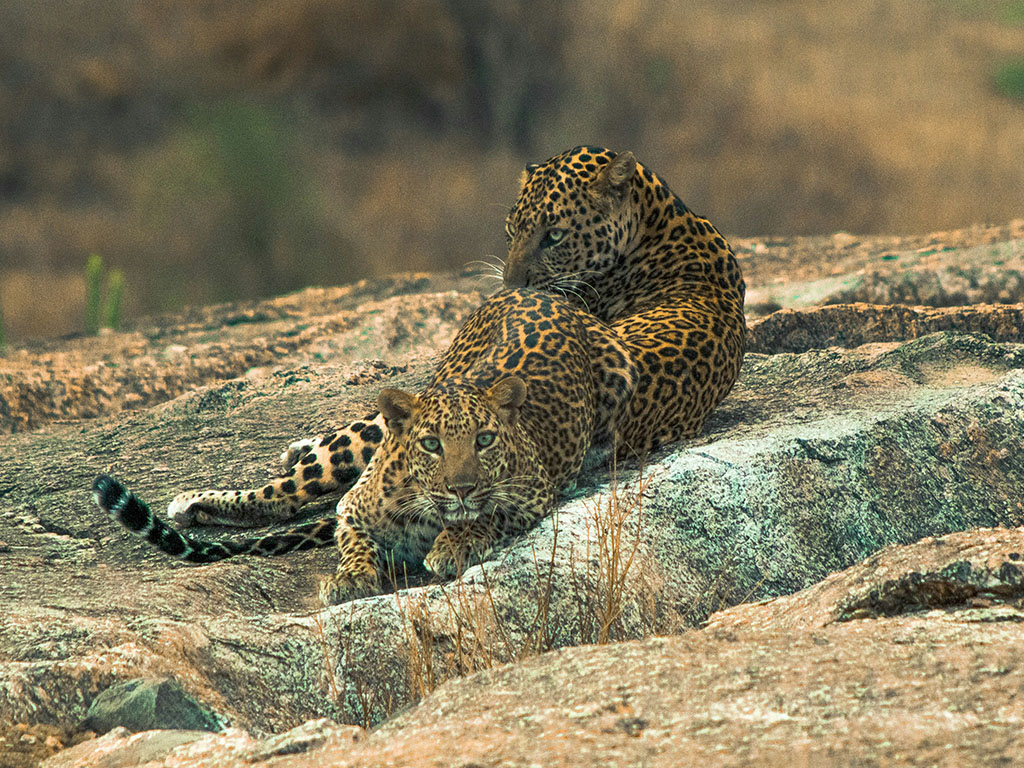
In the middle of Jawai's dry, scrubbed landscape — all dust and euphorbia and pale granite — there is a population of leopards that was never supposed to be there. Or rather: was supposed to have left a long time ago, pushed out by livestock, by roads, by people. They didn't leave. They stayed, in roughly the same numbers, and they did it not by being hidden but by being visible. This is what's unusual.
Most of the world's conservation stories are recovery stories. A species is pushed to the edge, then pulled back through policy, enclosure, relocation. The numbers go up. It is, broadly, how we measure a win. Jawai doesn't fit this pattern. No tiger-style reintroduction ever happened here. No fences were built. The leopards simply continued, alongside agro-pastoralist communities — the Rabari, primarily — whose livestock they occasionally take, and who have not, historically, retaliated in the ways you might expect.
What actually happens here
I want to be careful. It is tempting, in conservation writing, to make a village of shepherds stand in for a larger idea — to say "here is a place where people live in harmony with predators" and leave it at that. It's not quite that. Livestock get taken. The state compensates, sometimes, and sometimes slowly. People are not uniformly romantic about leopards. What is true, and what is worth examining, is that a certain set of conditions — religious, economic, spatial — has produced a tolerance here that's rare at this density.
The religious piece is often cited and it does matter: many local communities associate the leopard with deities and regard the kopjes themselves as holy. The economic piece matters too, and is cited less: a leopard-killed goat is a one-time loss, while a leopard-rich landscape has, increasingly, a tourism economy attached to it. Neither of these alone explains the coexistence. Both together, combined with the landscape's geography — granite hills that leopards can use without contesting the flat grazing land the Rabari need — get closer.
"The question isn't how to make leopards safer. It's how not to disturb what is already, somehow, working."
Why this matters elsewhere
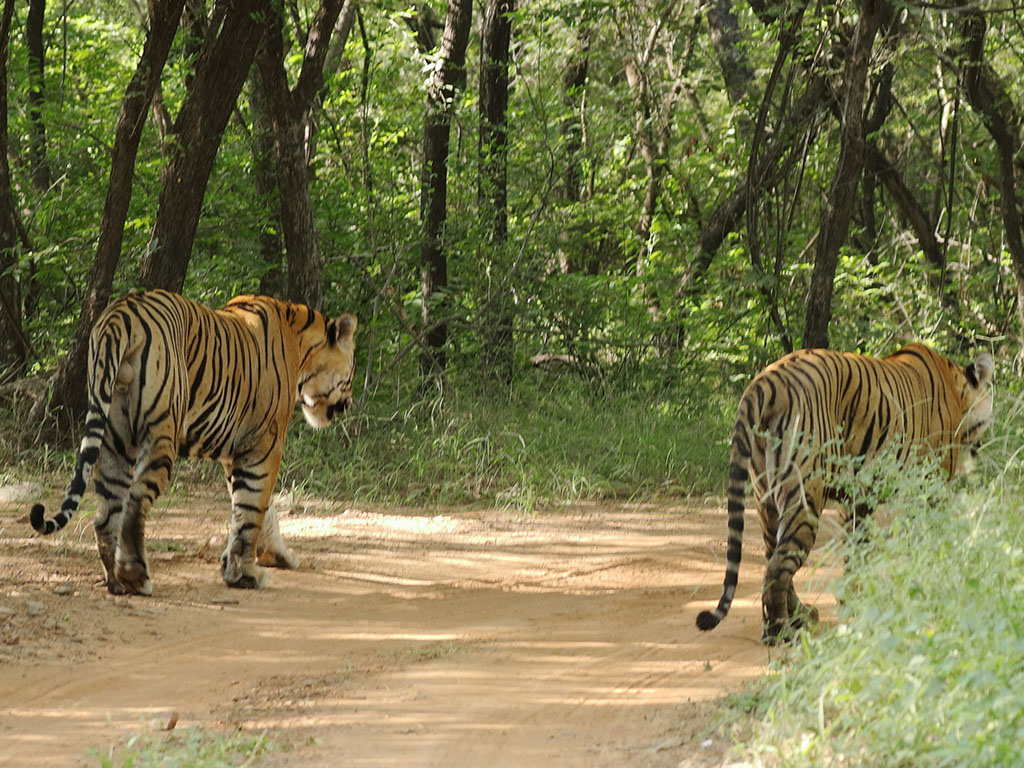
Much of India's, and the world's, predator conservation is organised around the logic of the protected area. Draw a boundary. Keep people and livestock out. Let the ecosystem recover inside. This model has worked, in many places, including in some of the tiger reserves we work in — Ranthambore, Sariska. It has costs too: displacement of local communities, edge conflicts, the creation of islands that are too small for long-term viability.
Jawai is not a model because it cannot be reproduced by fiat. You cannot legislate a tolerance that took generations to build. But it does suggest a second question worth asking alongside the first — not only "how do we protect this place from people" but also "where are people and predators already working something out, and what do they need from us to keep doing it?"
A Rabari shepherd with his herd at dusk. The kopjes in the background are where the leopards den.
What we do, in practical terms
As an operator with a commercial interest in Jawai, we are part of the economic piece. We try to be honest about that. The properties we partner with here contribute a portion of guest spend to a conservation fund that pays for: livestock insurance for nearby households, rapid response when a kill happens, and a long-running camera-trap study run by the Leopard Conservation Foundation. This is not charity; it is, in part, how the economy of coexistence continues to pencil out.
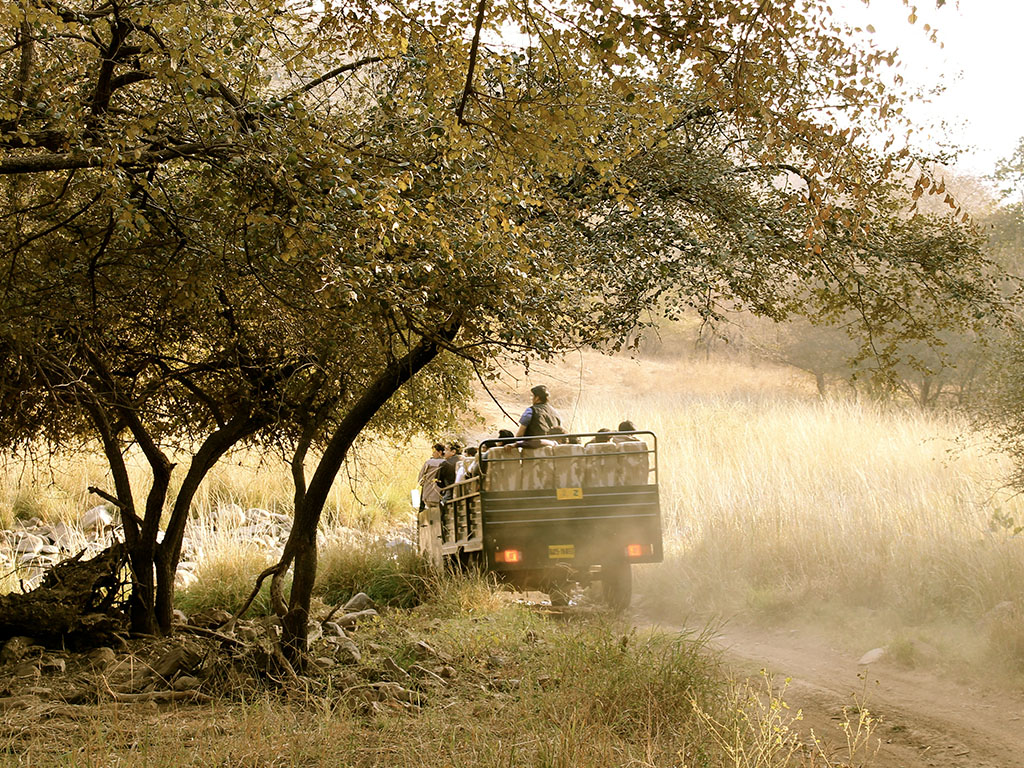
We also try to keep the viewing pressure light. Jawai is not a national park and there is no official vehicle quota, which means it can be over-visited by operators who see this as an advantage. We treat it as a responsibility. Our vehicles in Jawai are fewer, spend shorter time at sightings, and are asked to yield first.
None of this is glamorous and none of it makes for a good marketing campaign. We write about it here because guests do ask, and because we think the question of how a place continues to be itself is more interesting than the question of what it looks like from a vehicle.
This piece is the first in a short series on how each of the landscapes we work in actually functions. Next: the tiger reintroduction at Sariska, twenty years on.